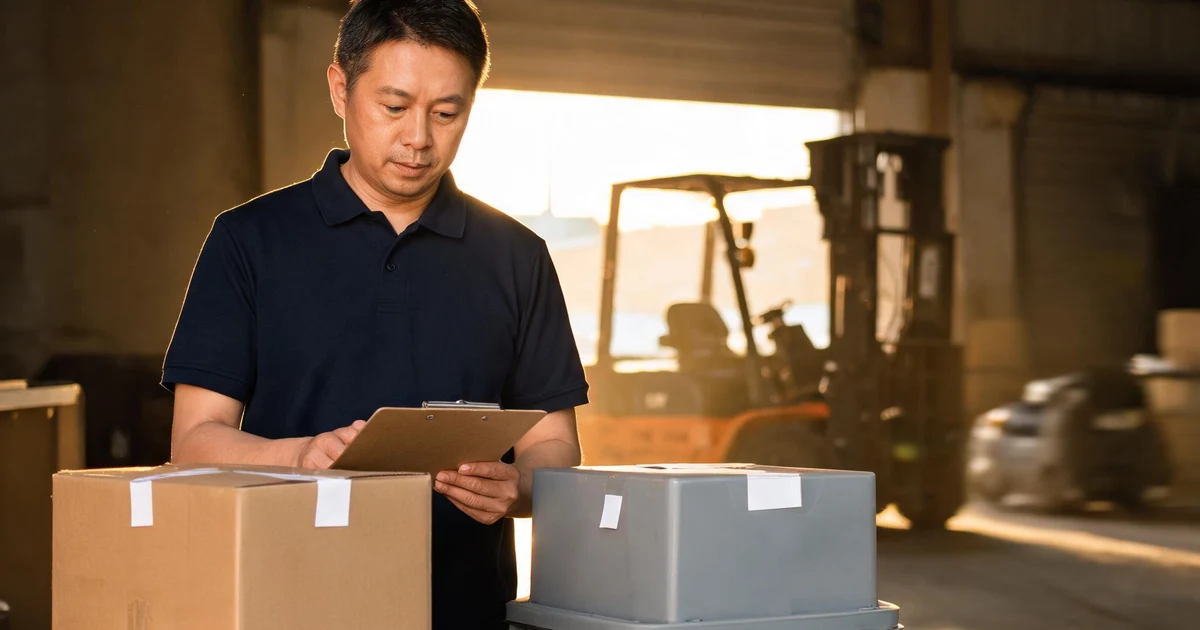
Sending an estimator to every customer's home doesn't scale. Drive time alone caps most teams at 4-6 in-home estimates a day, and roughly one in three of those appointments falls through when a customer cancels or isn't home. Video surveys remove the travel bottleneck entirely: the customer records their own walkthrough, software builds the inventory, and your team reviews a completed estimate without ever leaving the office. Here's how the technology actually works, what it costs, and where it still needs a human in the loop.
What Is a Video Survey, and How Is It Different From an In-Home Estimate?
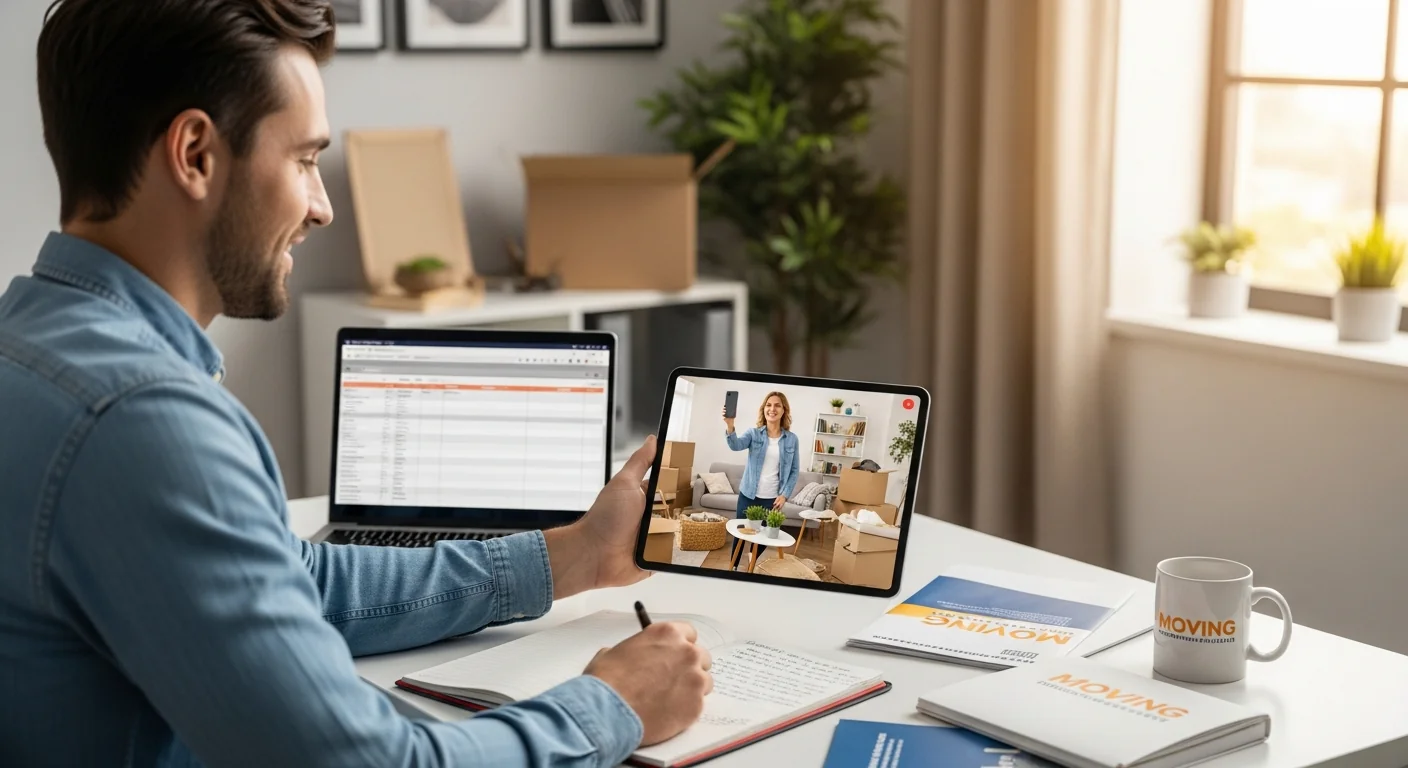
A video survey replaces the estimator's in-person walkthrough with a smartphone recording the customer makes themselves. The customer opens a link sent by SMS or email, no app download required, and walks room by room while the camera captures furniture, boxes, and household items. Software then converts that footage into a cube sheet: the same room-by-room inventory an in-home estimator would build by hand, just captured on camera instead of a clipboard. From there, the process folds into the same estimate-creation workflow as any other survey method, binding, non-binding, or not-to-exceed, priced against your tariff once the inventory is confirmed.
How Accurate Is an AI-Generated Video Survey Estimate?
DriveSales' own video survey product benchmarks 95% accuracy compared to in-home estimates, based on comparisons against actual move weights across thousands of completed jobs. That's not perfect, and it isn't meant to replace human judgment entirely: edge cases like antiques, unusual layouts, or heavily packed storage units still benefit from an estimator reviewing the AI-generated item list before the estimate goes out. What the accuracy number does mean is that video surveys meet or exceed what a junior in-home estimator produces, without the drive time, the no-show risk, or the $50,000+ annual cost of a dedicated estimator role.
Three Ways to Run a Video Survey
Not every moving company wants the same level of human involvement in the survey process. Three models exist, ranging from fully self-service to fully staffed:
- AI Video Survey (self-service). You send the customer a link, they record a walkthrough on their own time, and machine learning identifies items, calculates cubic footage, and auto-populates your estimate template. Your team reviews and sends, typically in under 30 minutes.
- AI Self Survey (guided by software). Same self-service format, but an AI agent walks the customer through the recording in real time, prompting them to show closets, garages, and storage areas so nothing gets missed mid-walkthrough.
- Guided Video Survey (expert-led). A trained survey specialist joins a live video call with the customer and conducts the walkthrough directly, capturing everything an in-home estimator would without sending anyone to the property. This model suits smaller shops without a dedicated estimator on staff.
What Does This Actually Cost?
AI Video Surveys and AI Self Surveys run $120 per user per month for unlimited use; Guided Video Surveys are priced per survey at $75, with volume discounts for high-volume shops. Compare that against the fully loaded cost of an in-home estimator, salary, vehicle expense, gas, and insurance, easily $50,000 or more a year for 4-6 estimates a day, and the math tends to favor video surveys quickly once a company is running more than a handful of estimates weekly. The same technology also solves a capacity problem, not just a cost one: companies using video surveys report doing roughly 3x more estimates per day with the same team, because nobody is burning half the afternoon in transit between appointments.
Does a Video Survey Estimate Still Meet FMCSA Requirements?
Yes, with the same rules that apply to any other estimate method. FMCSA requires the estimate to be based on a physical survey of the goods unless the pickup location is more than 50 miles from your business, or the customer signs a written waiver before the shipment is loaded. A video walkthrough satisfies that physical-survey requirement the same way an in-home visit does, since the customer is showing the actual items being moved on camera, not answering a phone questionnaire from memory. What doesn't change: you still need the same five documents before the contract is signed, and the estimate still has to disclose whether it's binding, non-binding, or not-to-exceed.
When Does a Video Survey Fall Short?
Video surveys handle the overwhelming majority of residential moves cleanly, but a few situations still call for a human on-site: properties with genuinely difficult access (multiple flights of narrow stairs, tight elevators, long carries that need to be measured rather than estimated), large commercial moves with specialized equipment like server racks or lab equipment, or customers who simply can't or won't record a walkthrough themselves. For those cases, an in-home visit or a phone-based estimate with a conservative non-binding structure protects you better than forcing a video survey where the inventory count is genuinely uncertain.
Frequently Asked Questions
Does a video survey estimate carry the same legal weight as an in-home estimate? Yes. The estimate type, binding, non-binding, or not-to-exceed, and the disclosures required under FMCSA rules are the same regardless of how the underlying inventory was captured.
What items can AI actually recognize during a video walkthrough? Current systems identify 200+ item types, including furniture, boxes, pianos, and pool tables, and flag items that need special handling, like glass-front cabinets or marble tabletops, for an estimator to review before the quote goes out.
How long does a customer's video walkthrough take? Typically 10-15 minutes, and the recording can be paused and resumed if the customer needs to step away.
Can a video survey replace an in-home estimate for every job? No. Complex layouts, heavy commercial equipment, and customers who can't record a usable walkthrough still benefit from an in-home visit or a conservative estimate structure.
Estimating from a video walkthrough only pays off if the number it produces flows cleanly into the rest of your paperwork, no re-keying the inventory into a separate estimate tool, no disconnect between what the customer saw on camera and what shows up on the bill of lading. See how DriveSales' video survey feature works end to end, or book a demo to see the same tariff-priced estimate carry from walkthrough to final invoice.